Understanding the psychology of gambling Why do we risk it all
2026
Understanding the psychology of gambling Why do we risk it all
The Allure of Risk
The thrill of gambling often stems from the excitement of risk. For many individuals, placing a bet provides an adrenaline rush akin to extreme sports or adventure-seeking activities. This sensation can lead to a temporary escape from everyday life, creating a desire to seek out more intense experiences. The possibility of winning big, combined with the inherent uncertainty, adds an element of excitement that draws players into the world of gambling. Many enthusiasts look for betting sites that accept bitcoin to enhance their experience.
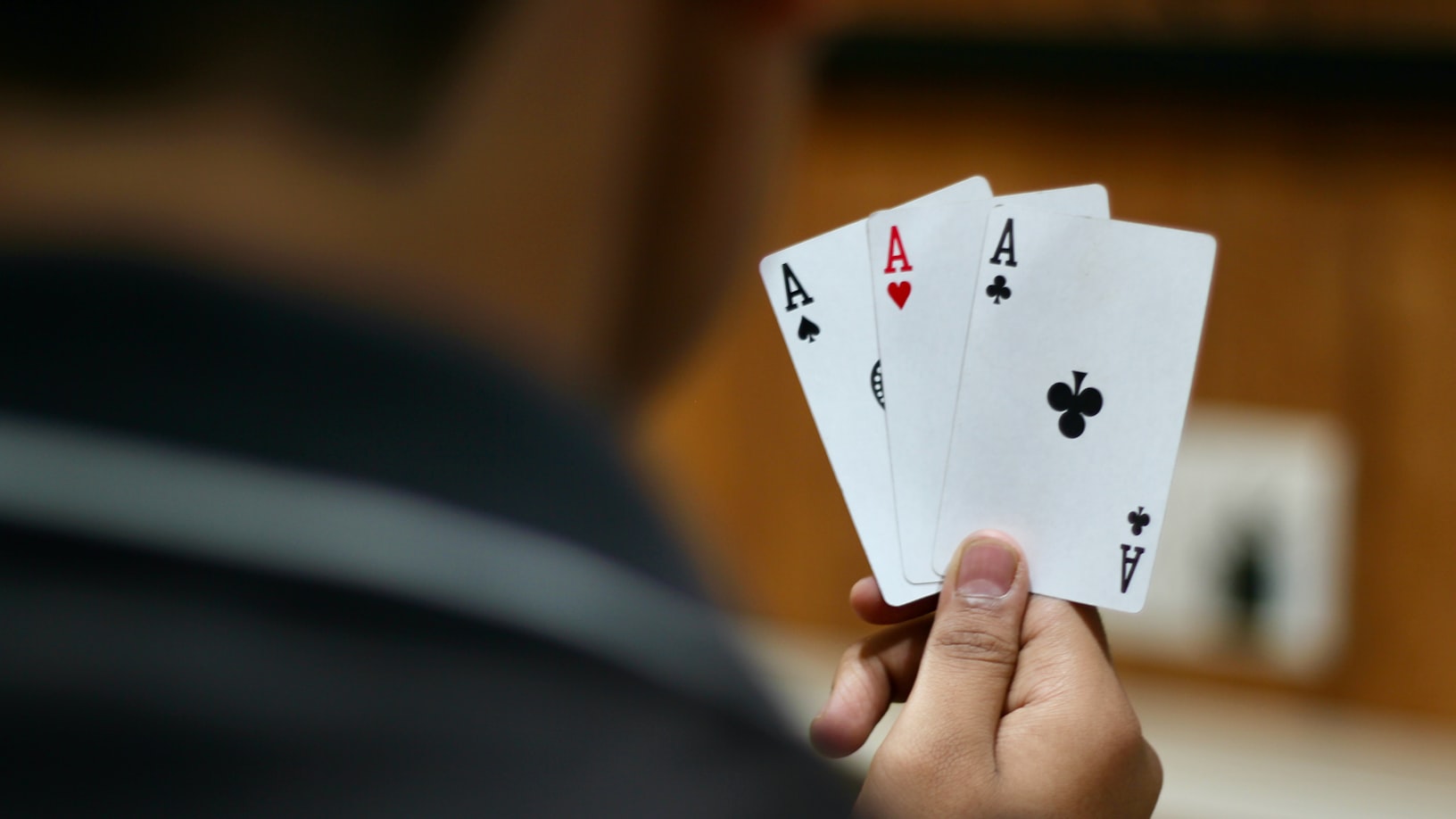
Moreover, the human brain is wired to respond positively to risk and reward dynamics. When individuals take risks, such as wagering money, their brain releases dopamine—a neurotransmitter associated with pleasure. This release reinforces the behavior, making it more likely for individuals to gamble again, even if previous outcomes were not favorable.
The Role of Luck versus Skill
One of the most intriguing aspects of gambling is the interplay between luck and skill. Different games offer varying degrees of skill-based decisions versus pure chance. For instance, poker requires strategic thinking and skillful play, while slot machines rely heavily on luck. Players often perceive their performance in skill-based games as a reflection of their abilities, leading to a sense of control over their outcomes.
However, even in games that involve a level of skill, luck remains a significant factor. This duality can create a cognitive dissonance where players believe they can outsmart the odds. The perception of skill can enhance the enjoyment of gambling, contributing to repeated engagement despite the inherent risks involved.
Emotional Influences on Gambling Behavior
Emotions play a crucial role in gambling decisions. Many individuals gamble to escape negative feelings, such as stress or anxiety. The anticipation of winning can provide a temporary emotional high, while losses may lead to a range of responses, from frustration to despair. This emotional rollercoaster can create a cycle where individuals continue to gamble in hopes of recapturing that initial high.
Additionally, social factors can influence gambling behavior. Interactions with friends or family who gamble can normalize the activity, encouraging participation. The social aspect can also amplify emotional responses, making victories feel more exhilarating and losses more painful.
The Impact of Advertising and Culture
Advertising plays a significant role in shaping perceptions of gambling. Marketing campaigns often highlight the excitement and glamorous lifestyle associated with winning. This portrayal can skew public perception, leading individuals to underestimate the risks involved. The cultural acceptance of gambling in certain societies further compounds this issue, normalizing risky behavior.
Moreover, the rise of online gambling has made access easier than ever. With digital platforms promoting convenience and the ability to wager from anywhere, the barriers to entry have significantly diminished. This accessibility can amplify the risk, as individuals may gamble without considering the implications or potential consequences.

Explore the World of Online Gambling
Understanding the psychology behind gambling can equip individuals with the knowledge to make informed decisions. Navigating this complex landscape can be challenging, especially with the myriad options available today. Whether you are an experienced bettor or new to the world of gambling, resources are available to help you make educated choices.
Our platform offers insights and guidance tailored to your needs. With a focus on user experience, we aim to empower you to engage with gambling responsibly, prioritizing your security and enjoyment. Explore our resources today to deepen your understanding and enhance your gambling experience.
u said