Raising Voices The Global Protest Against Human Rights Violations
2026

Raising Voices: The Global Protest Against Human Rights Violations
In every corner of the globe, people are uniting to raise their voices against injustices, demanding accountability, and advocating for the protection of basic human rights. The protest against human rights violations encompasses a diverse array of issues, from systemic racism and police brutality to authoritarian governance and exploitation. These protests are not merely reactions to isolated events; rather, they represent a broader struggle for dignity and equality, reflecting the deeply entrenched societal issues that have persisted through decades.
The Historical Context of Human Rights Protests
The roots of the modern human rights movement can be traced back to the aftermath of World War II, when the United Nations adopted the Universal Declaration of Human Rights in 1948. This monumental document laid the foundation for the world’s conscience regarding human rights, recognizing the inherent dignity and equal rights of all members of the human family. Over the following decades, various conflicts and civil rights movements highlighted the ongoing struggle for these fundamental rights.
For example, the Civil Rights Movement in the United States during the 1950s and 1960s addressed racial segregation and discrimination, culminating in significant legislative changes aimed at ensuring equality. Similarly, protests in South Africa against apartheid exemplified a sustained fight against systemic oppression. Today, these historical examples serve as guiding lights for contemporary movements, illustrating that change is possible through collective action and advocacy.
Current Landscape of Human Rights Violations
Despite progress, violations of human rights remain rampant across the globe. From repressive regimes to economic exploitation, countless individuals and communities continue to suffer. In recent years, the rise of social media has played a transformative role in shedding light on these issues, amplifying voices that previously went unheard. Social movements such as Black Lives Matter and the Women’s March exemplify how grassroots activism can mobilize individuals globally, inspiring solidarity and support for marginalized communities.
Additionally, the COVID-19 pandemic has exacerbated existing inequalities and human rights violations. Governments worldwide have utilized the health crisis to implement oppressive measures, often masking authoritarianism as public health policy. This emphasizes the urgency of protest and demands for accountability; it is a stark reminder that rights can be compromised in times of crisis, necessitating vigilance from citizens.
The Role of Activism in Social Change
Activism is the lifeblood of the movement against human rights violations. It takes numerous forms, from organized protests and petitions to digital advocacy and community organizing. Every method is integral to raising awareness and promoting change. Protests serve as powerful tools to publicly challenge injustices, evoking emotional and intellectual responses from a wider audience.
Furthermore, legal advocacy plays a crucial role. Human rights lawyers, organizations, and legal frameworks provide essential support to victims of violations, ensuring their voices are heard in courts and international arenas. Legal action can compel governments to reform policies and practices that infringe on human rights, creating avenues for systemic change.
How Individuals Can Engage in Advocacy
Individual engagement in the fight against human rights violations can take many forms. From participating in peaceful protests to educating oneself and others about these issues, every action counts. Here are some ways individuals can contribute:
- Educate Yourself: Understanding the complexities of human rights issues is the first step in advocating for change. Read books, watch documentaries, and follow credible organizations on social media.
- Join Local Campaigns: Find local organizations or community groups that align with your values and join their efforts to advocate for human rights.
- Utilize Social Media: Share information, rally support, and amplify voices of those affected by human rights violations through your platforms.
- Contact Your Representatives: Communicate with your political representatives to express your concerns about human rights issues. Your voice can influence policy changes.
- Support NGOs: Donate to or volunteer for non-governmental organizations that work toward human rights advocacy and support vulnerable communities.
The Future of Human Rights Activism
The landscape of human rights activism is continually evolving. As new issues emerge and old injustices resurface, the movements must adapt to the changing dynamics of society and technology. The global interconnectedness facilitated by technology presents both challenges and opportunities for activists. While it allows for greater mobilization and awareness, it also poses risks, as governments increasingly monitor and censor digital spaces.
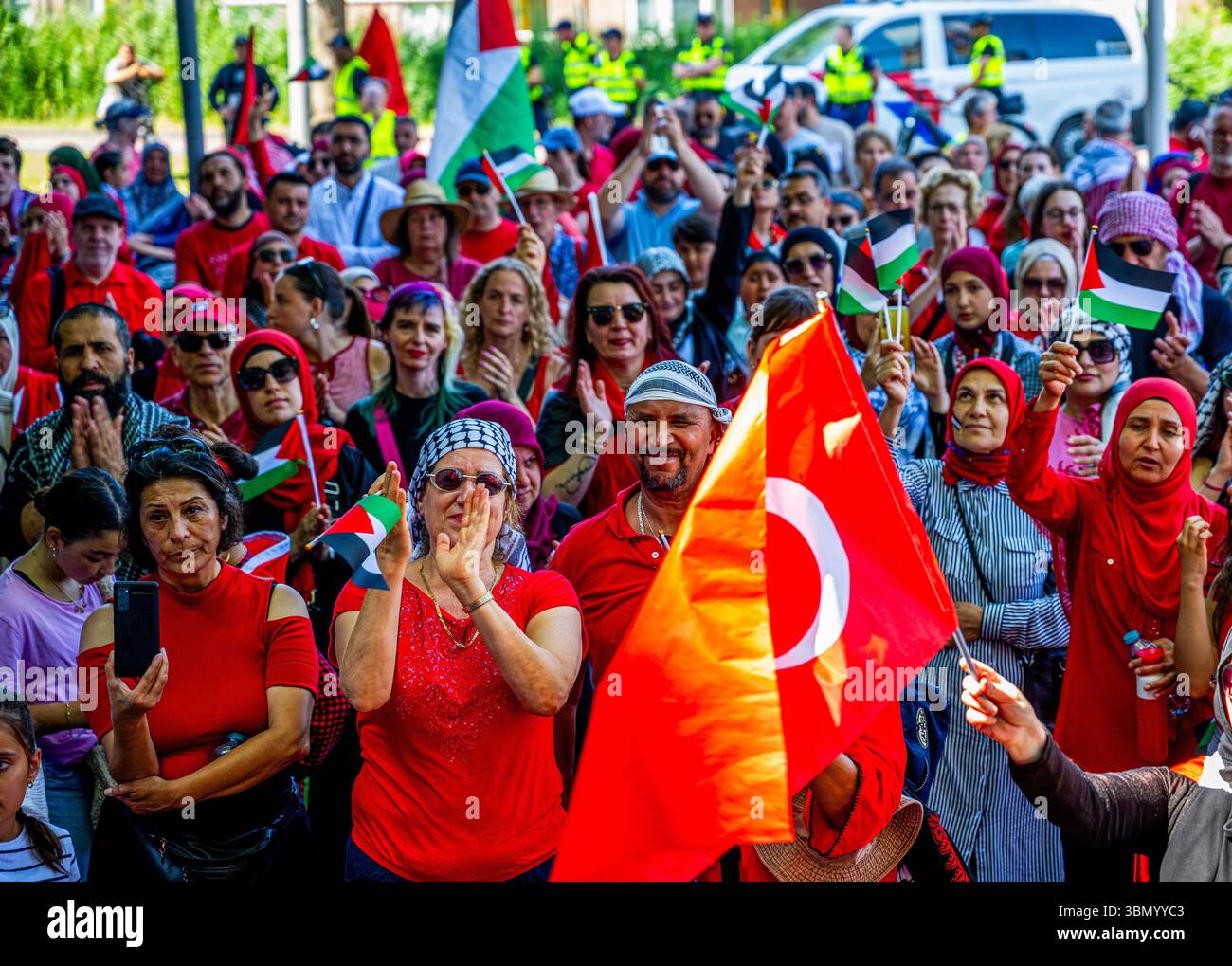
Despite these challenges, the resilience of activists and the solidarity of communities worldwide offer hope for the future. It is essential to recognize that the fight against human rights violations is a marathon, not a sprint. Sustained efforts are necessary to achieve lasting change and protect the rights of all individuals, regardless of their background or beliefs.
Conclusion
In conclusion, the protest against human rights violations is a vital part of ensuring the dignity and rights of individuals worldwide. By raising our voices, participating in activism, and standing in solidarity with those affected by injustices, we can foster a movement that champions equality and holds power to account. The fight for human rights is not just a responsibility for some; it is a collective obligation that requires our engagement and commitment to creating a just world for all.
u said